
SEED
What is conceived is not yet the tree.
Ce qui est conçu n'est pas encore l'arbre.
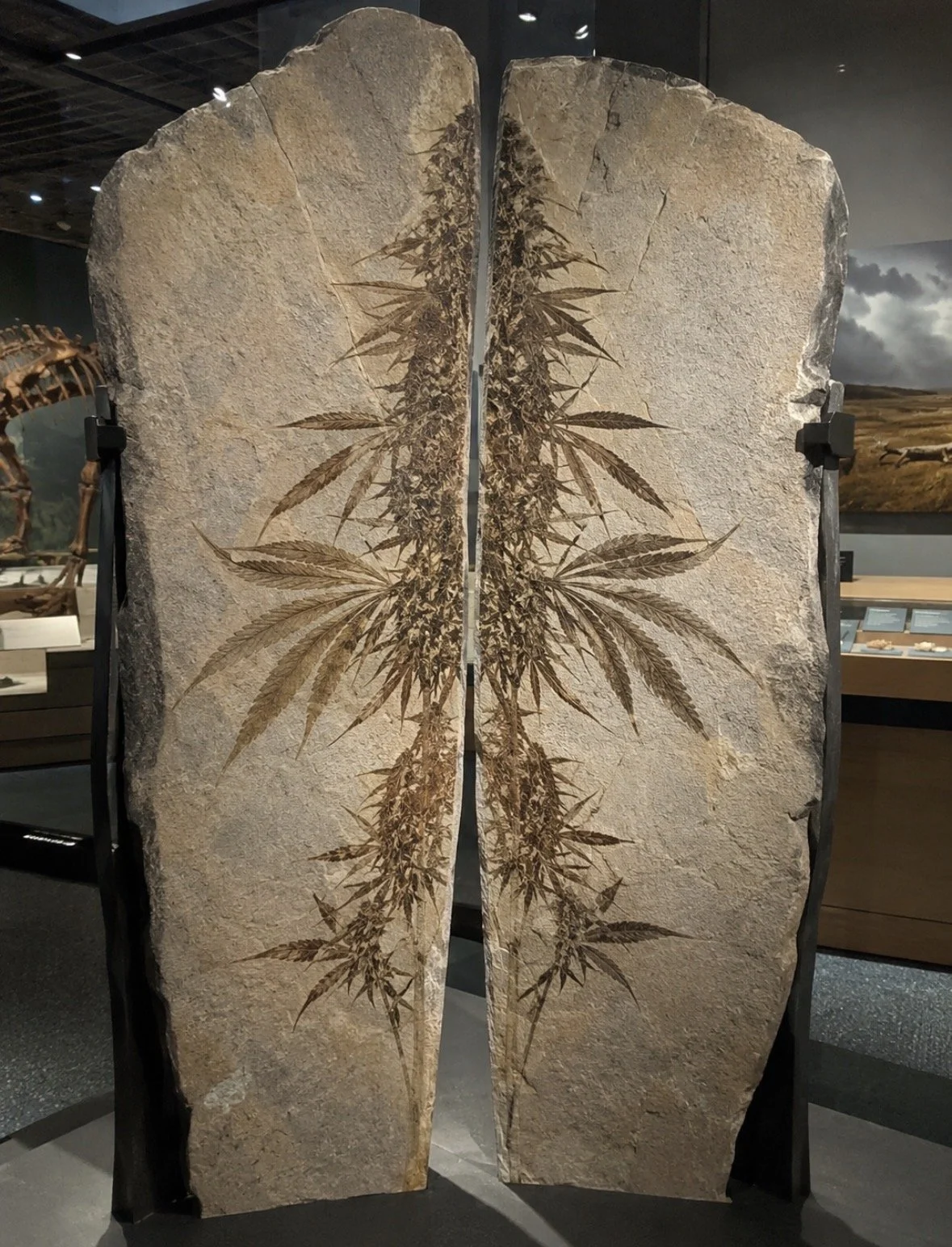
A seed carries possibility in constituted form.
It is neither the completed organism nor an empty promise of one. Something is already present, but what is present must pass through conditions, time, and transformation before its possibilities become visible.
Common Tongue begins here because seed is widely recognizable while remaining semantically rich.
The word may change.
The relation must remain recoverable.
A SCRIPTURAL SEED
John 12:24 supplies a particularly durable instance.
Across languages, the vocabulary changes while an unusually demanding relation survives: the grain falls, dies, ceases to remain alone, and bears fruit.
English — KJV
Except a corn of wheat fall into the ground and die, it abideth alone: but if it die, it bringeth forth much fruit.
Spanish — Reina-Valera 1960
Si el grano de trigo no cae en la tierra y muere, queda solo; pero si muere, lleva mucho fruto.
French — Louis Segond 1910
Si le grain de blé qui est tombé en terre ne meurt, il reste seul; mais, s'il meurt, il porte beaucoup de fruit.
Italian — Diodati
Se il granello del frumento, caduto in terra, non muore, dimora solo; ma, se muore, produce molto frutto.
Portuguese — Almeida
Se o grão de trigo, caindo na terra, não morrer, fica ele só; mas, se morrer, dá muito fruto.
ONE SEED. SEVERAL CUTS.
These are not identical expressions.
They are alternate cuts through a recoverable relation.
English gives us:
fall → die → abide → bring forth
Spanish:
caer → morir → quedar → llevar
French:
tomber → mourir → rester → porter
Italian:
cadere → morire → dimorare → produrre
Portuguese:
cair → morrer → ficar → dar
The languages do not agree on every surface operation.
Bring forth. Carry. Bear. Produce. Give.
But beneath those differences, a structure remains recognizable:
GRAIN → DESCENT → DEATH → NO LONGER ALONE → FRUIT
Common Tongue begins with that persistence.
The differences are not defects to be removed. They allow the relation to be examined from more than one linguistic position.
Each language provides a cut.
The common thread helps us find the center.

CORN OF WHEAT
The English opening demonstrates why words alone cannot carry continuity.
In the King James Bible, corn does not mean specifically the crop modern American English ordinarily calls corn. Here it means grain: a grain of wheat.
The Romance translations make the referent immediately conspicuous:
grano de trigo
grain de blé
granello del frumento
grão de trigo
The English word survived.
Its ordinary linguistic environment changed.
A reader who preserves only the word may therefore lose the relation.
Preserving language is not always the same thing as preserving meaning.
THE SEED IS NOT THE RESULT
The seed matters because its present form does not disclose its completed state.
To recognize a seed is to hold two propositions together:
Something is already there.
What is there has not finished becoming.
Premature judgment collapses the distinction.
If we demand the tree from the seed, possibility becomes deficiency.
If we call every possibility a tree, potential becomes completion.
Neither preserves the relation.
The seed is constituted.
The outcome remains open.
ATTENTIVE CARE
A seed is not made fertile by calling it a tree.
It must be attended to according to what is actually present.
Soil may be prepared. Water may be supplied. Light may be available. Time must pass. Conditions may change. Growth may occur differently than expected.
Care neither invents the seed nor guarantees the harvest.
Attentive Care works with what has been given without requiring its completed state in advance.
PULL THE THREAD FORWARD
Seed therefore carries more than beginning.
It can carry:
potential without completion;
identity through transformation;
development under conditions;
continuity through radical change;
fruit not yet visible in the present form.
Scripture gives us one durable expression of those relations.
Other languages give us alternate cuts through its language.
Neither requires Common Tongue to flatten the differences.
The work is to follow them carefully enough to discover what remains capable of traveling through change.
Find the common thread, pull it forward, and remember where you started.
The word may change form.
The relation must not disappear.